


Breast Reduction
Procedures Breast Reduction
Overly large breasts at a young age can cause psychological and physical changes associated with hiding the size of the breasts and with finding proper clothing. Also many women after breastfeeding don’t return to normal pre-pregnancy size leaving them with very large breasts that are heavy and give the appearance of being overweight. Most women with very large breasts complain of back and shoulder pain especially with the straps of the bra digging into their skin. Very large breasts can also have negative effects regarding breastfeeding and may delay picking up breast cancer early.
Breast Reduction Summary
Problems & Insurance
Large breasts can cause problems in many aspects of a woman’s life. When they are larger than the usual standards of attractiveness in our society, the breasts are considered aesthetically displeasing. A full breasted woman may appear heavier than she really is and she may have difficulty obtaining stylish clothing. In some cases, it may even be difficult to find a properly fitting bra. Often, women with large breasts feel very self conscious.
The actual weight and bulk of the breasts may cause physical problems and symptoms which compound the feeling of unattractiveness. There can be a feeling of uncomfortable fullness, neck or back pain, and shoulder grooving. These symptoms may contribute to limited performance in certain occupations and in sports. Finally, large breasts can also make it difficult to detect lumps or masses, thus complicating cancer detection for both the patient and her physician. This may well be a source of further anxiety in a patient who is already embarrassed about her condition. Because of these medical problems, in many cases, medical insurance may cover some of the cost of breast reduction.
Goals & Procedure
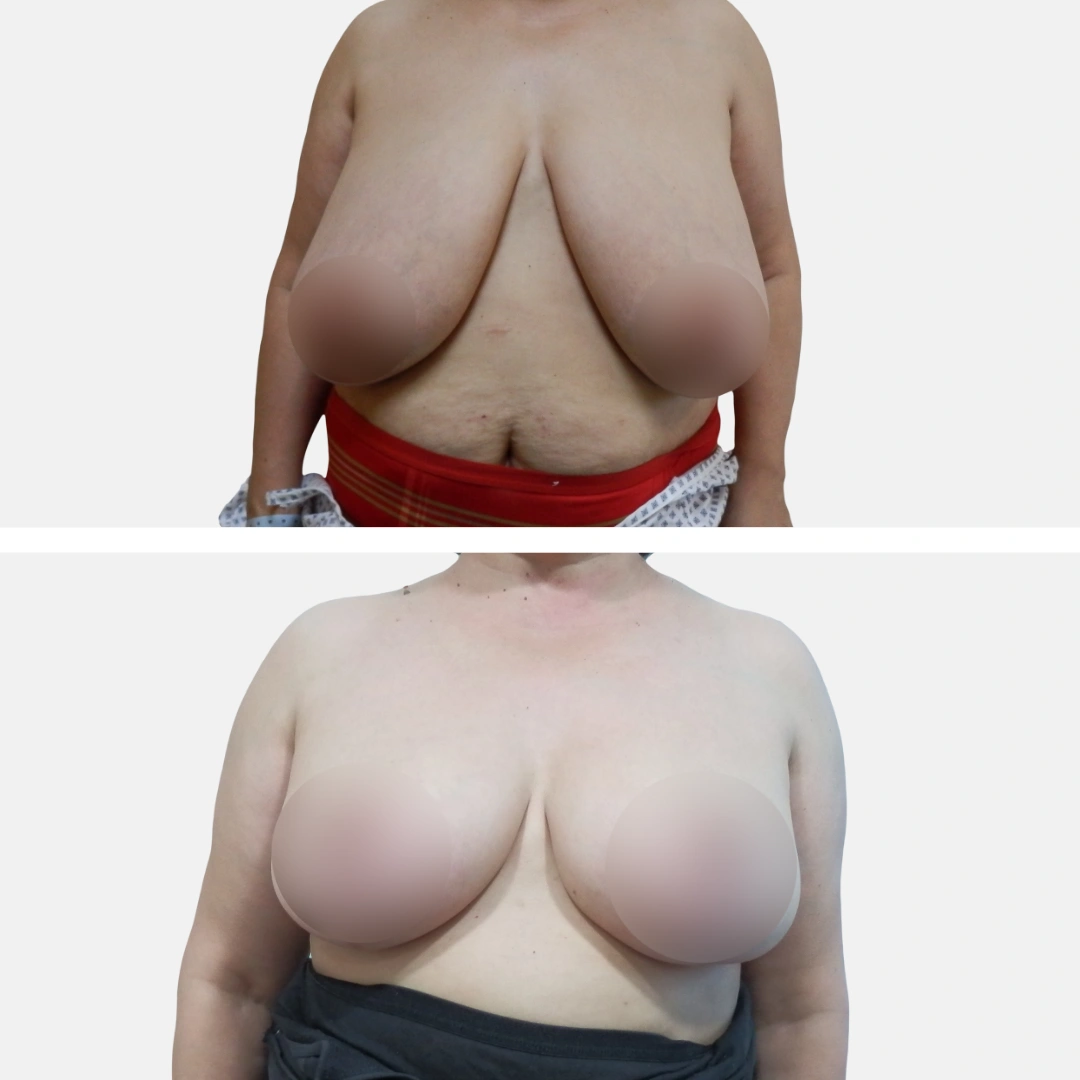
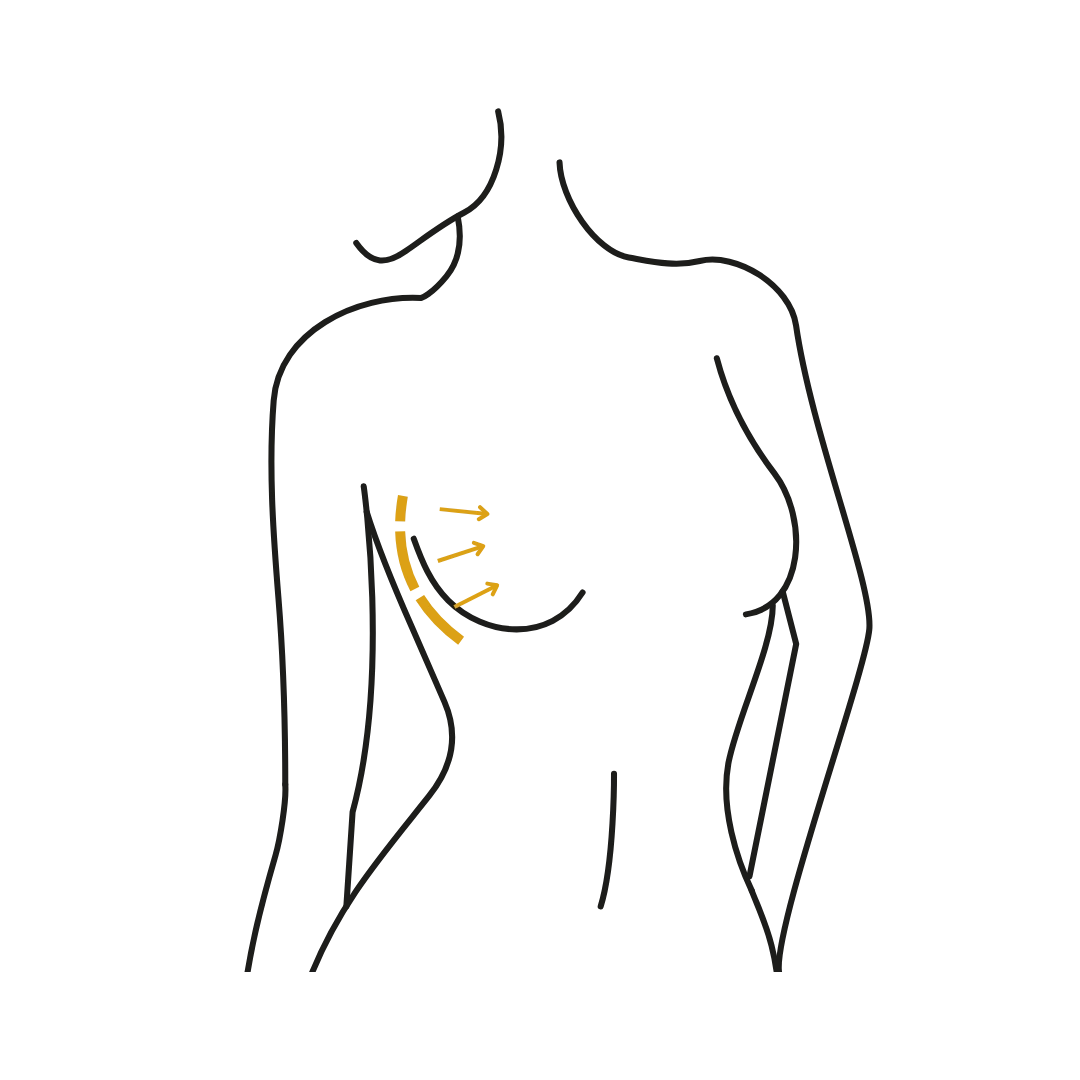
The goal of reduction mammaplasty is to reduce, recontour and reshape the breasts. The breasts are made smaller. The nipple areola complex is repositioned upward, and if indicated, reduced in size. Excess skin and breast tissue is removed from the lower and outer portions of the breast. A preoperative plan is made which allows both the surgeon and the patient to share in the decision as to the proposed size of the breast after surgery. The surgeon will attempt to make the breasts as identical as possible, but some asymmetry may remain. Furthermore, it is not possible to predict exactly how large the breast will finally be after surgery. Healing results in some progressive changes in breast size, since some swelling may be present for several months following surgery.
Incisions are made in the lower breast resulting in three scars: one around the nipple, which usually heals very nicely; a vertical incision from the nipple to beneath the breast, which remains visible; and finally, an incision in the fold beneath the breast. Breast tissue is sculpted using a combination of sharp dissection and occasional liposuction. The nipple remains attached to the underlying breast tissue. The remaining breast is folded around the nipple and its attachments and the incisions are closed.
Recovery and Results:
Although it takes some time for final healing and shaping of the breasts to occur, the initial recovery is typically very well tolerated and easier than expected for most patients. There is some soreness after the operation and pain medicine is sometimes required, but patients usually are fully ambulatory the day after surgery.
Recovery Instructions Box
To ensure best results, please note the following:
-
✔
Work: Generally the patient may return to work five to eight days after surgery -
✔
Exercise: Full activity or extremely vigorous exercise should not be undertaken for four to six weeks. -
✔
Scars: Patients must realize that scarring is influenced as much by tissue response as by surgical skill. Fortunately, with time, these scars do tend to blend into the normal skin, becoming less noticeable. -
✔
Final Size: Healing results in some progressive changes in breast size, since some swelling may be present for several months following surgery.
To learn more about the procedures performed by Dr. Tarek Copty, click here
To visit Dr. Tarek Copty's YouTube channel, click here
Video Explanation

Frequently Asked Questions (FAQs)
Does breast reduction affect breastfeeding?
Modern techniques preserve the nipple's connection to milk ducts, maintaining breastfeeding ability in most cases, but there’s no 100% guarantee.
Does insurance cover the cost?
In many cases, medical insurance may cover some of the cost of breast reduction (leading to intense back pain or skin issues) if it causes medical problems.
Does it reduce cancer risk?
Yes, removing significant breast tissue statistically reduces risk, and removed tissue is always tested.
When do scars fade?
Scars tend to blend into normal skin with time, becoming less noticeable and hidden under clothing.
How long does the operation take?
The operation usually takes 2 to 3 hours.